Publishing My Architecture and Design Projects with reFRAME – Altralinea Edizioni
For a few years I had been collaborating with reFRAME, a niche Milan-based magazine covering architecture, art, design and real estate, founded and directed by my friends Antonello D’Egidio and Walter Vallini. I started by writing a piece for issue zero, and gradually began contributing to almost every edition — it’s a quarterly — until I became part of the editorial team. Over the years I wrote about my projects, articles on innovative technologies like 3D printing, pieces on Terragni’s furniture design, and so on.
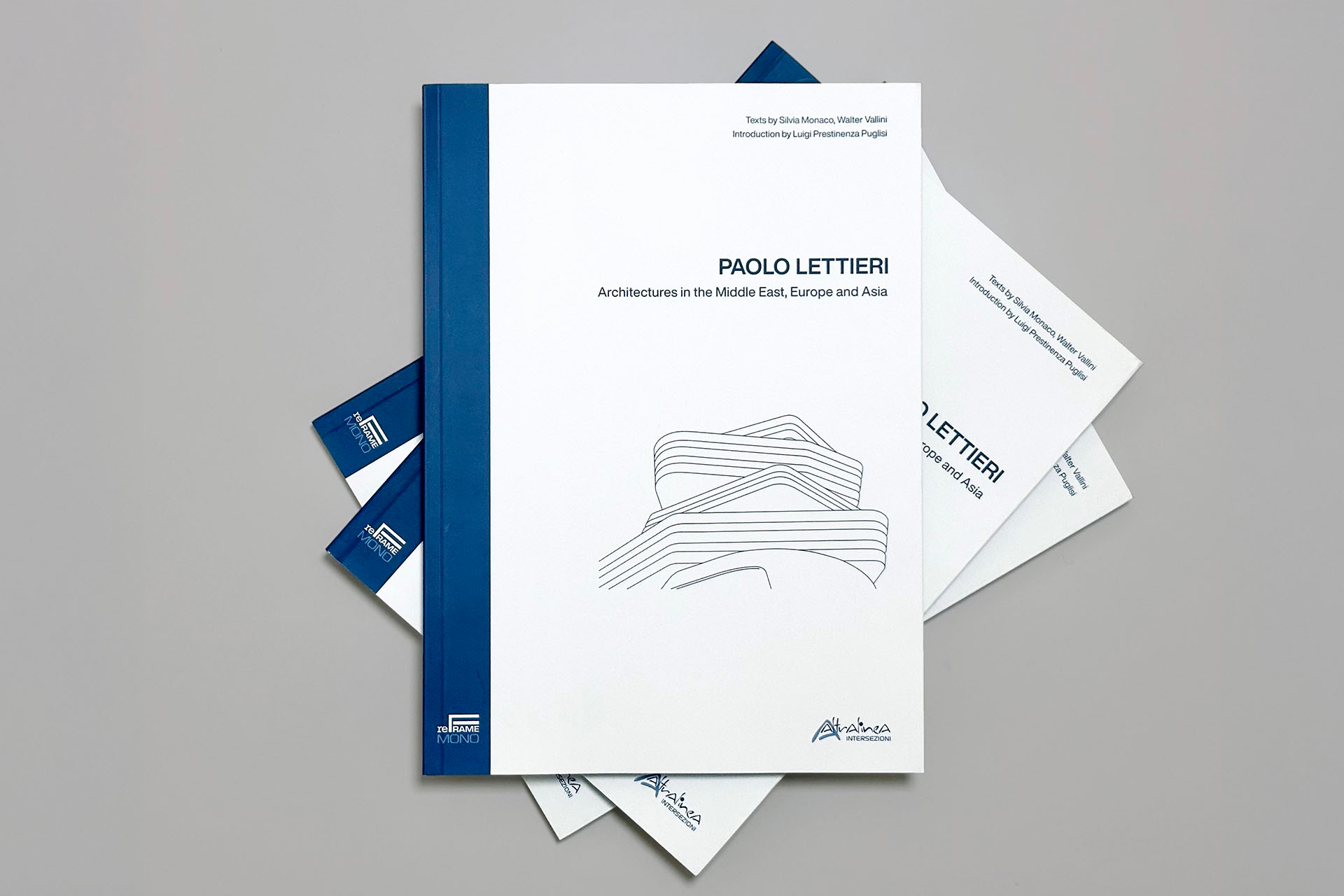
In September 2023, Antonello and Walter told me about a new project they were working on: a reFRAME book series — reFRAME MONO — published by Altralinea Edizioni in Florence, a publisher already specialised in architecture books. They asked whether I’d like the first volume in the series to be about my work, and whether I’d be interested in handling the graphic layout, the cover concept, and the visual identity that would then carry through the entire collection. The idea appealed to me immediately: what architect doesn’t want a book published about their work?
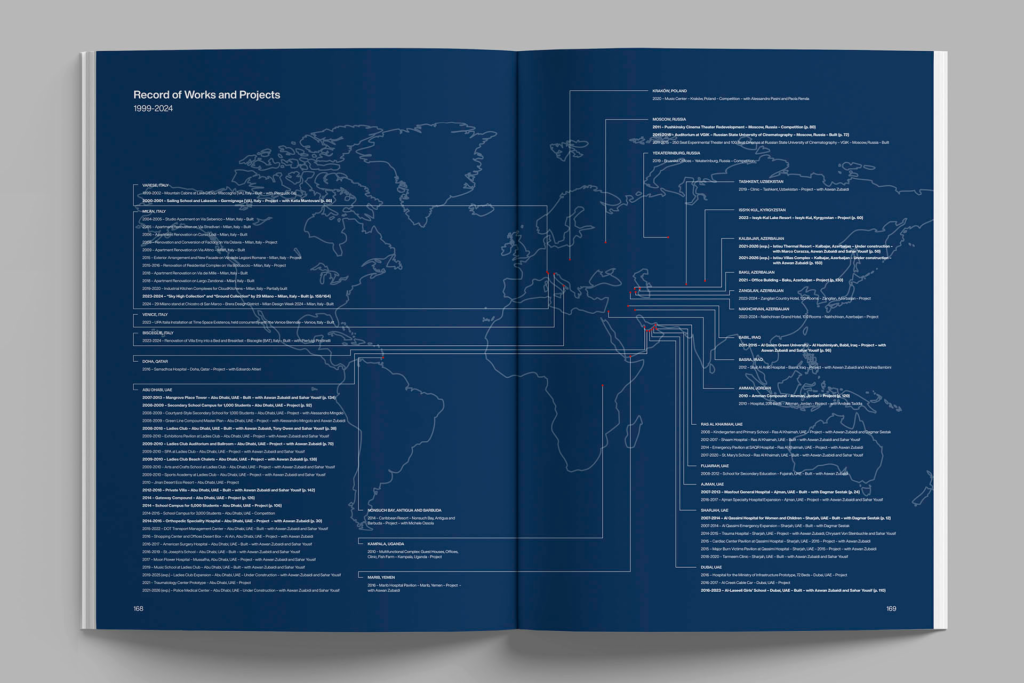
I have to admit that one of the hardest parts was figuring out which projects and built works to include — and above all, starting to dig through the digital archives for usable material. The studio server, old PCs, hard drives salvaged from the first computers I’d long since retired — machines from the turn of the millennium, right when I was starting out as a designer.
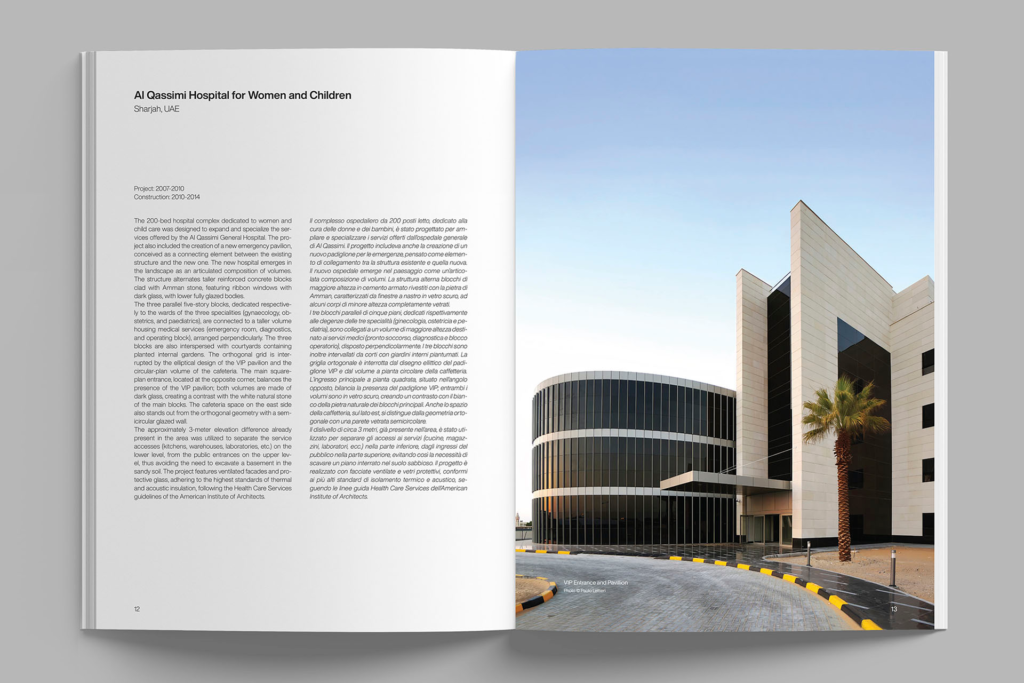
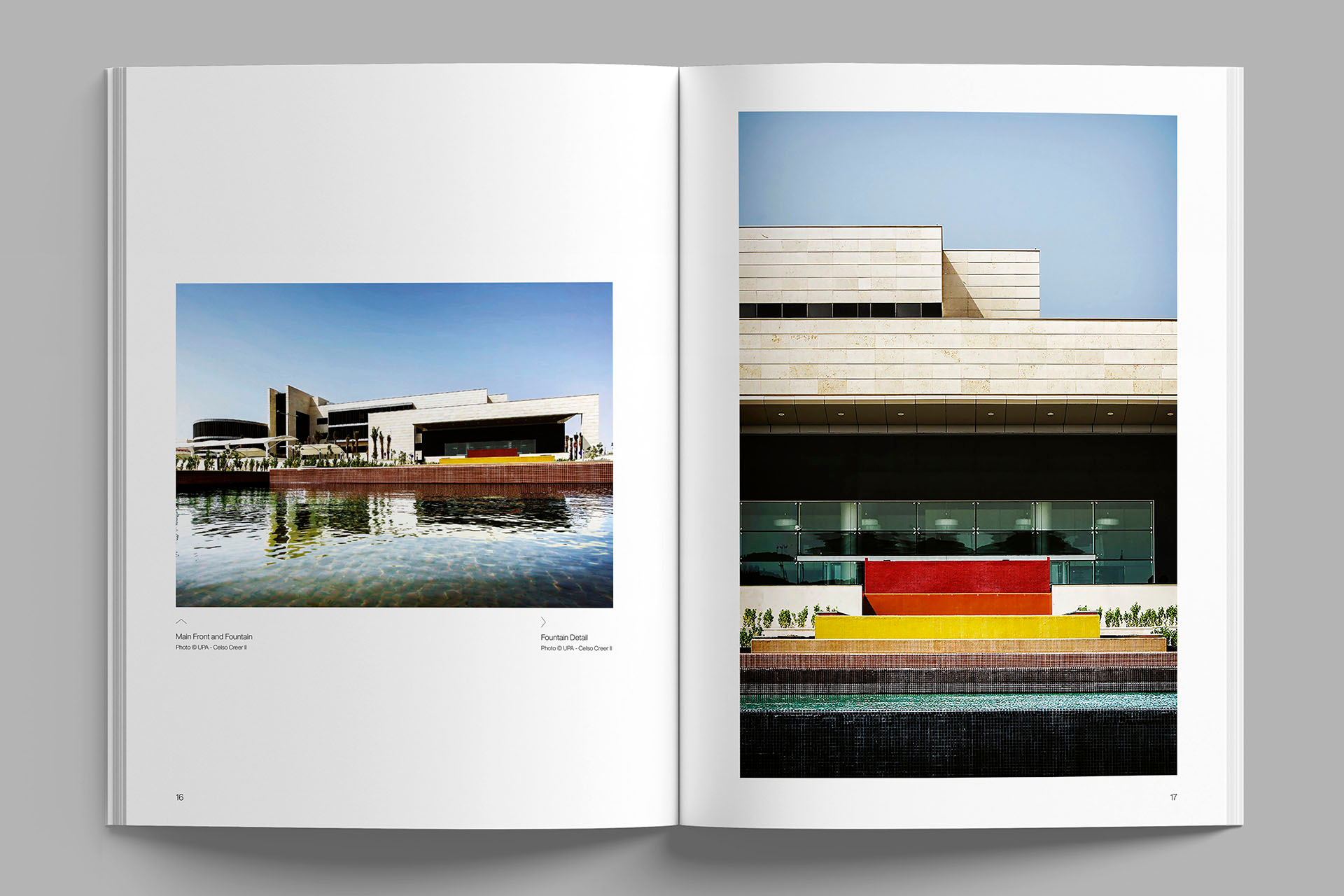
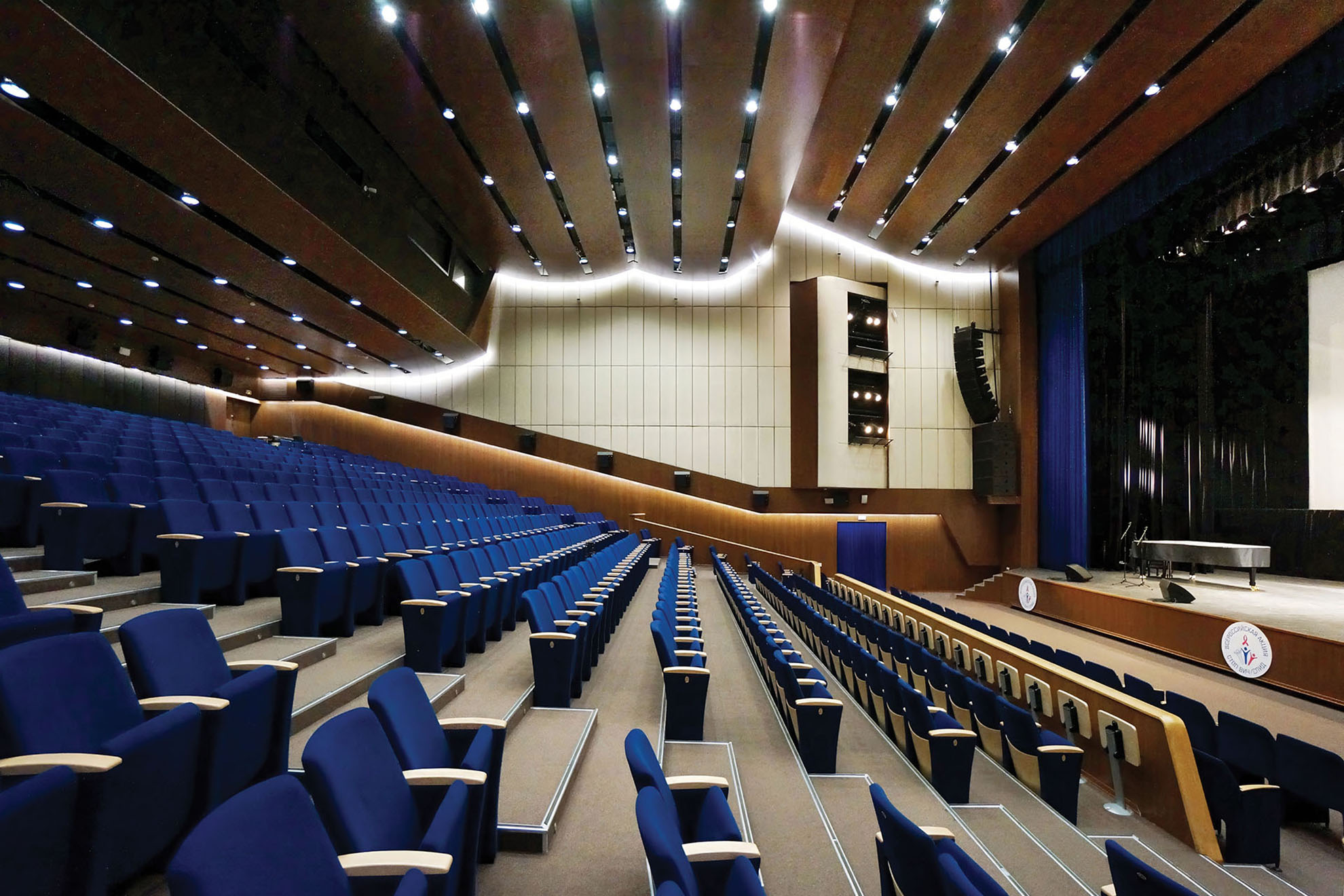
It took months of searching, cataloguing and rediscovering things I had done more than twenty years earlier and had completely forgotten about. In the meantime, it became clear that a lot of the material needed serious work before it could be presented. For many projects I had no decent photographs, and since most of my work has been abroad, the question of how to photograph them quickly was a real problem. Many are public buildings in the UAE, and photographing them requires approval from some government office — or worse, a ministry. That slowed things down considerably.
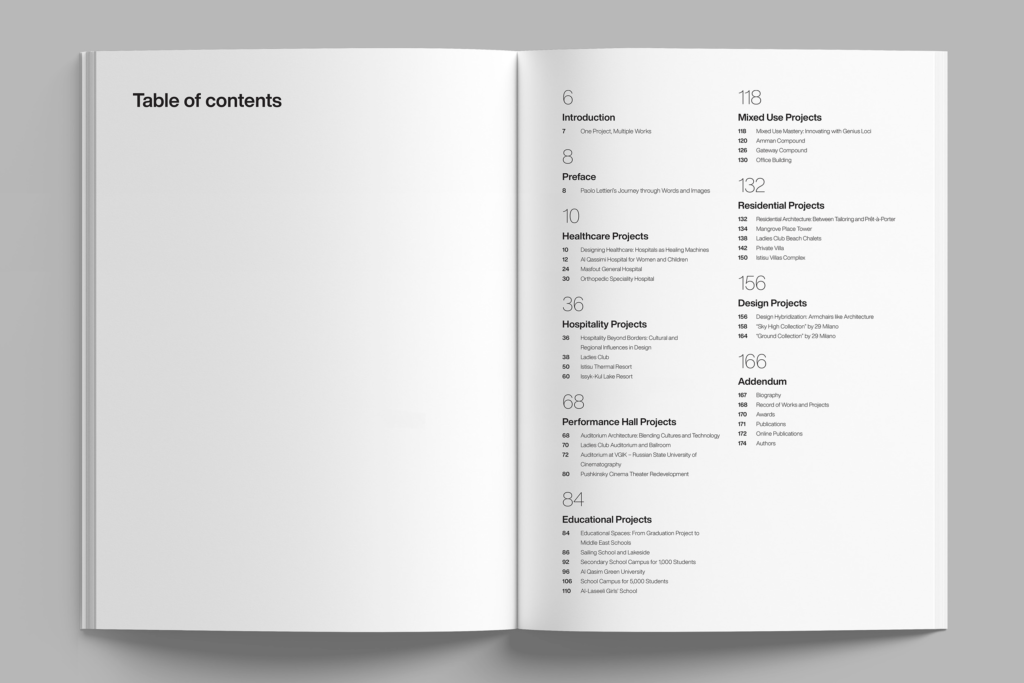
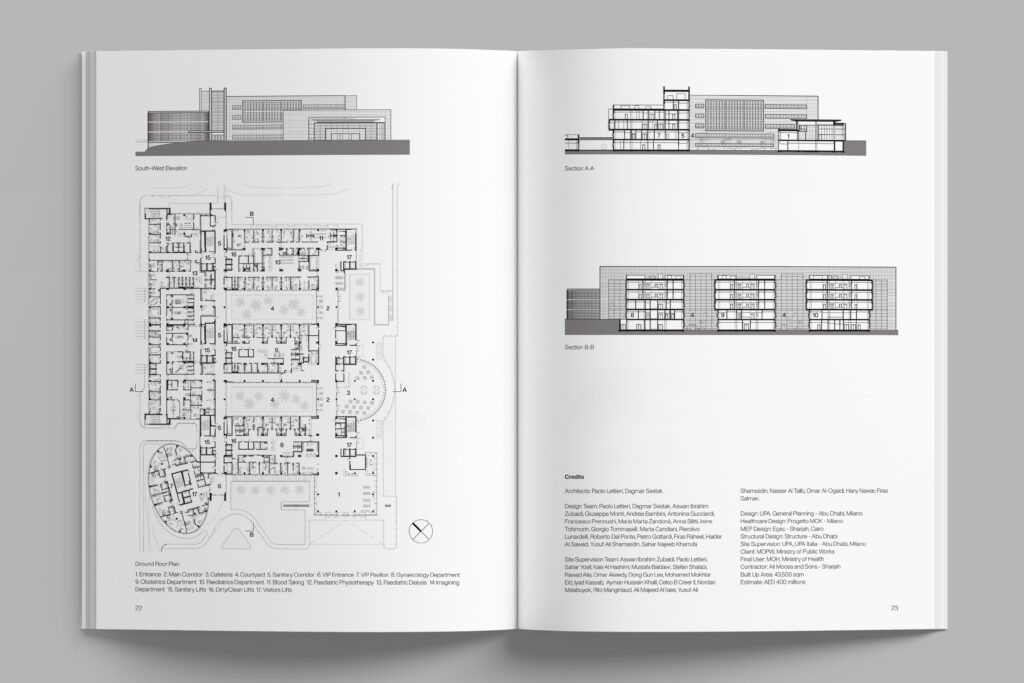
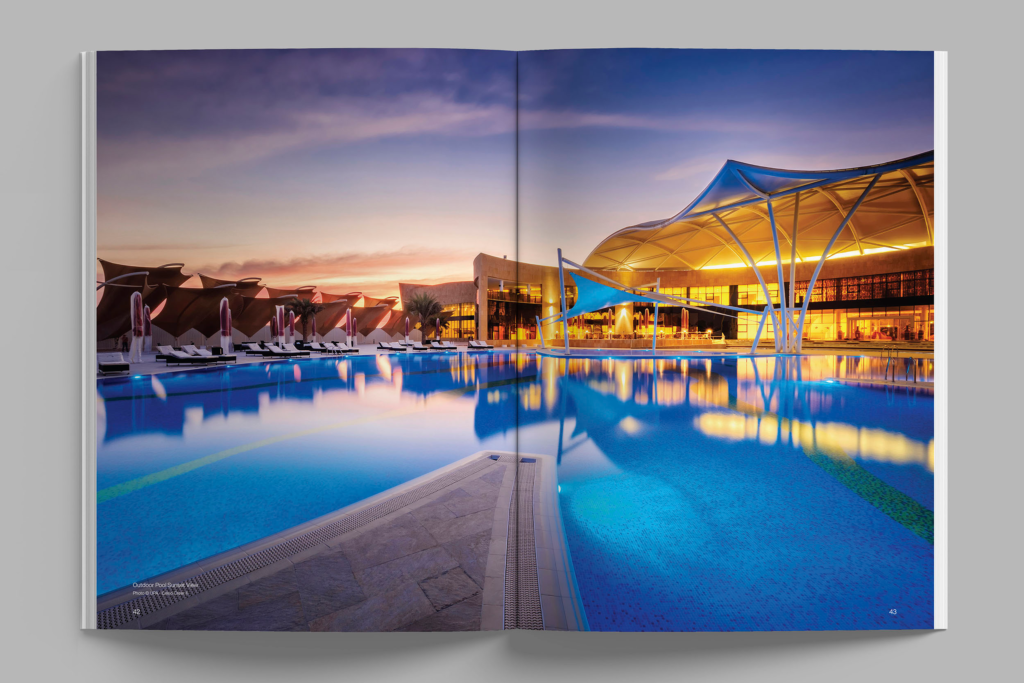
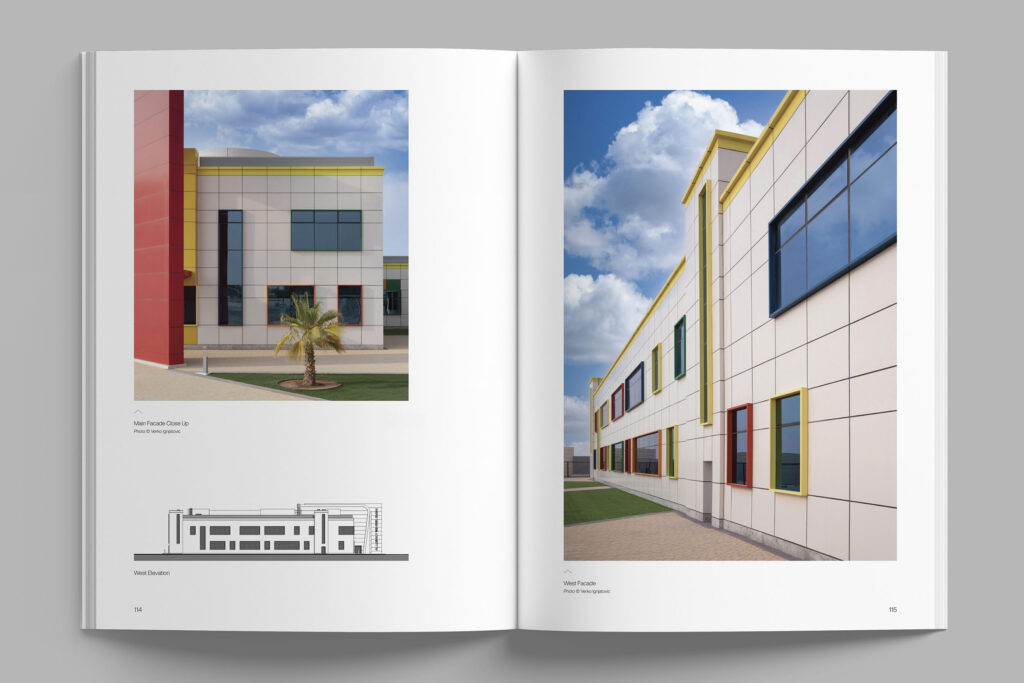
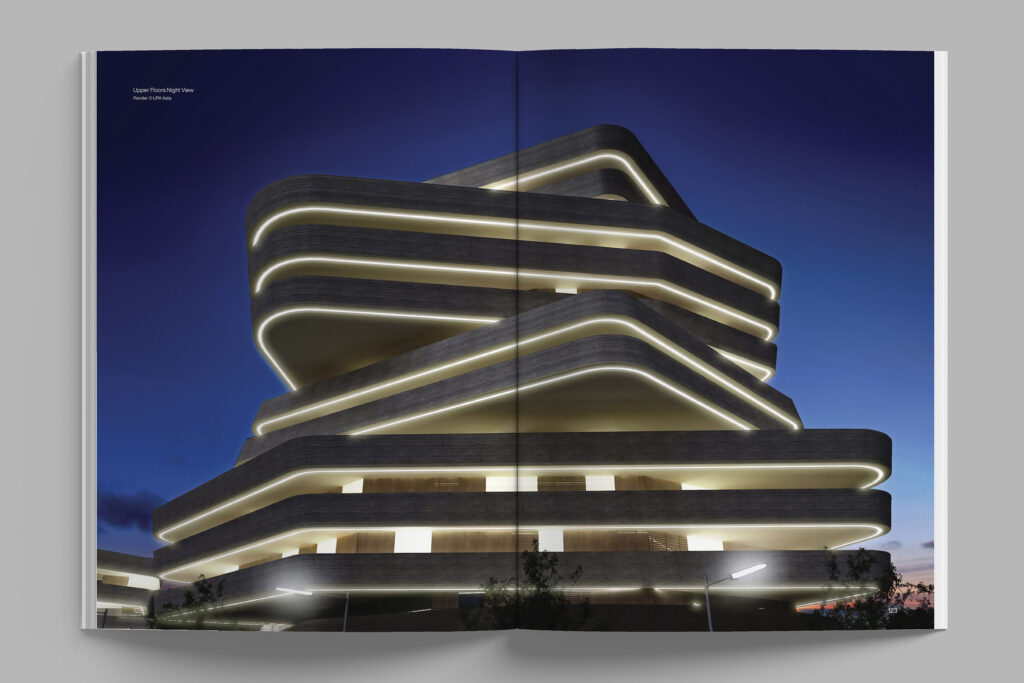
The publication format was to match the magazine: a large, vertical format… awkward for showing projects and architecture, unless you mostly design skyscrapers. My personal ideal has always been the Electa architecture books of the 1990s — the years when I was at university and first learned to love them. That’s where the drive came from to create a rigorous, clean layout, almost old-school. I believe the layout of an architecture monograph should be simple and essential, letting the photographs and drawings do the talking — like a plain, neutral gallery space that draws no attention to itself and lets the work take centre stage.
Around that time, Silvia Monaco — a talented colleague who has written for numerous architecture and design publications, co-authored several monographs, and worked with the Treccani Foundation — was helping me with the studio’s communications. From there it was a short step: I asked her to write the project texts for the monograph and to become co-author of the volume alongside Walter.
The book ended up being organised around building typologies, a theme I’ve cared about since university and the composition courses taught by the excellent Professor Giorgio Fiorese. To tie the chapters together and give the book a through-line, Walter came up with the idea of interviewing me and turning sections of that long conversation — a full day talking about myself, my projects and my past — into the introductory texts for each chapter. The graphic design was handled by Matilde Tagliariol, who was also helping me with the 29 Milano project, which I’ve already written about in earlier posts.
I have to say: putting together a book — a proper monograph — with talented authors and a publisher with a strong editorial director like Adriana Toti is what makes the difference between a glorified company brochure (or a well-made portfolio) and a work that actually engages with the architecture critically and meaningfully.
As with any good book, what was missing was a preface from someone capable of reading my work with a genuinely critical eye. I had admired Luigi Prestinenza Puglisi’s work as an architecture critic for years — since his first book on Rem Koolhaas, published by Testo & Immagine in 1997 — and I followed him on social media. But I thought it was too much to ask, and that he’d never agree. Some people advised against approaching a well-known critic for the preface: it would cost a fortune, they said, and you’d end up with a few vague, lightweight lines anyway.
I’m quite shy, and honestly I was on the verge of giving up and asking a favour from Simone Micheli instead — a close friend of Walter’s whom I had recently started to get to know — or from Dante Benini, with whom I had worked at the very beginning of my career. I regret not having asked Simone in the end, because it would have been a meaningful memory of him now that he’s no longer with us.
I had mentioned it in passing to Giorgio Tartaro, the journalist who had interviewed me on video several times for his platform Archiland, and he told me he could put me in touch with Prestinenza Puglisi — though there was no guarantee he’d say yes. A few months earlier, Puglisi had flatly refused to write about a large Milanese firm that had done a poor restoration of a Luigi Moretti building in Rome — and rightly so, as it turned out. I was hesitant, but I told myself: why not? I should tell myself that more often. What do I have to lose? At worst, I embarrass myself a little. Though I’ll admit — after a potential rejection, it would have taken quite some time to peel myself off the floor…
Prestinenza Puglisi agreed to consider it — and, naturally, asked to see what I actually did. His words on the phone: “If I’m going to marry someone, at least let me see the bride first.” So one morning in early August I took the train down to Rome, in the heat, to meet him and hand over the draft. I have to say it was one of the best decisions I ever made: Prestinenza was genuinely warm and engaging — and what surprised me most was that he refused to take a single euro for the introduction. He turned out to be quite different in person from the image you might form through his social media and writing. A very pleasant surprise. He immediately invited me to a conference he was organising in Lecce a couple of months later, and asked whether I’d be interested in joining the AIAC — the Italian Association of Architecture and Criticism — of which he was president.
That small step, and that trip to Rome, opened a door into a new world and introduced me to dozens of remarkable people — interesting, talented, and good company. Today I’m a regular at AIAC events, having become a member. It’s also given me the chance to start reflecting more seriously on what I do — as an architect and as a person — and has pushed me to engage more openly with others and to tell my own story. This blog, part of my new website, is one example of that.
The one last surprise in all of this was finding out I couldn’t use the steel-blue cover with white lettering I had envisioned, and having to settle for white due to printing constraints. A minor disappointment — but I’m genuinely happy with how it turned out. And in the end, I managed to bring the first three printed copies with me to Lecce for the AIAC’s Architects Meet conference.