Hybridization in Architecture and the City
Excerpt from a talk given in Milan at City Life in October 2022 for the NAI – The New Age of Real Estate conference, published in issue IV (November 2022) of reFRAME – Architecture, Art, Design and Real Estate magazine.
Today I want to talk about a concept that, historically, has at times carried a negative connotation — yet is in reality one of the key drivers of progress and development: hybridization, and in particular hybridization in space, architecture, and the city.
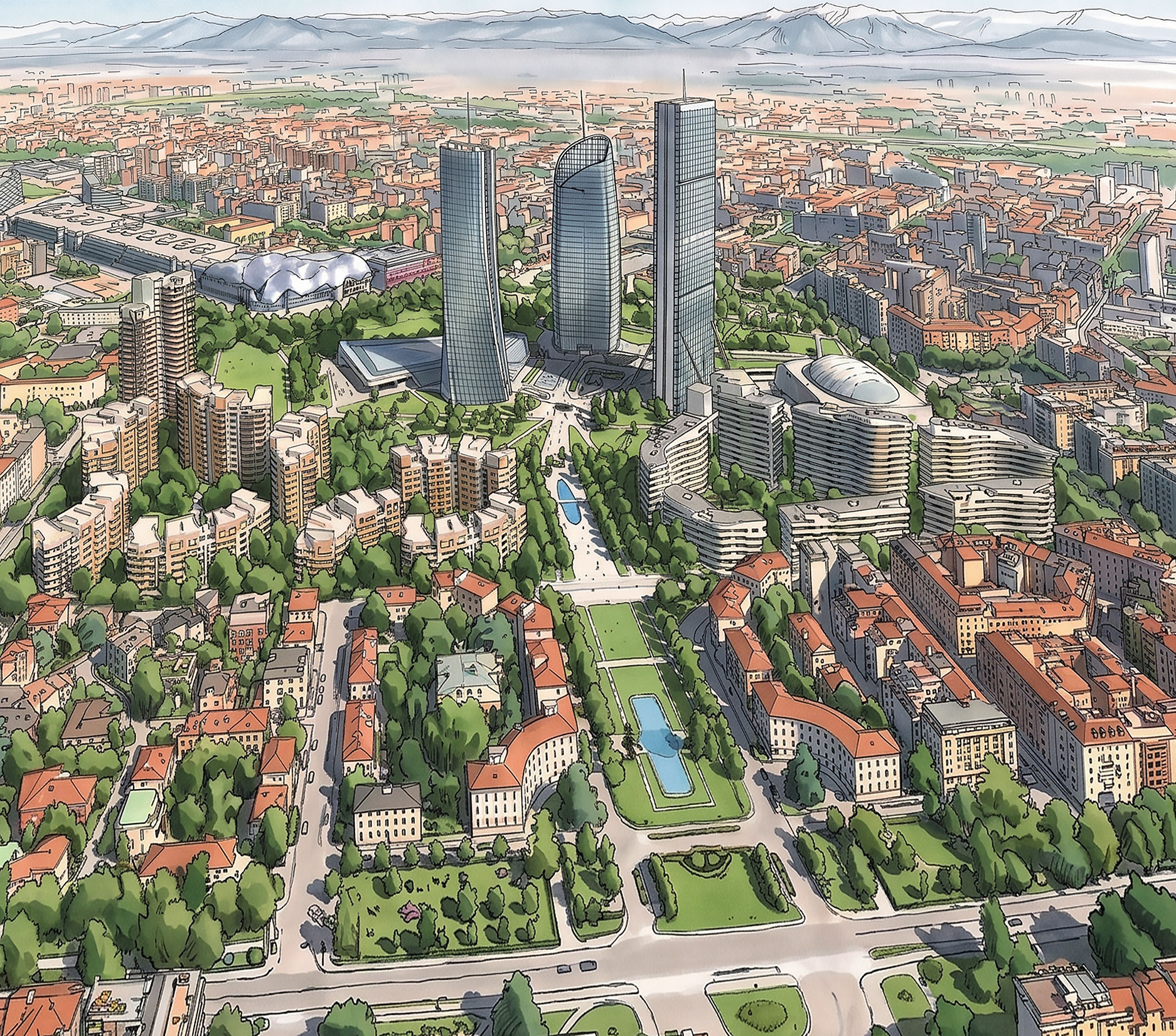
Take the venue where we find ourselves today. CityLife is a fantastic place with strong hybrid characteristics, one that resists easy classification: it is simultaneously an enclosed shopping centre, an open-air public space, a business hub, an urban park, a catalyst for a wide range of functions. The one less innovative element is the residential component — beautiful, high-quality buildings, but typologically and functionally still quite conventional.
This is, in fact, a practical example that mirrors many parallel situations: hybridization in architecture, urbanism, and territorial planning has always existed. You only need to read a text like Fernand Braudel’s The Mediterranean to realize how little has ever been fixed or crystallized throughout history — from societies, customs, and ancestral traditions spread across the entire Mediterranean world, down to urban spaces and building typologies.
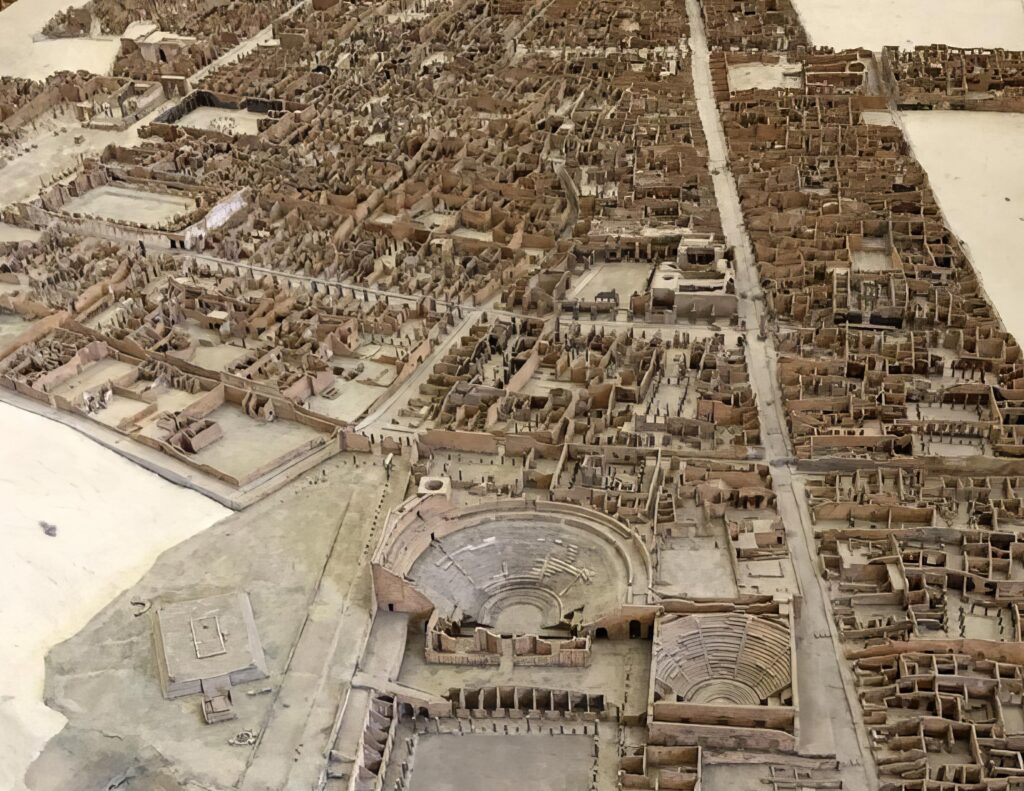
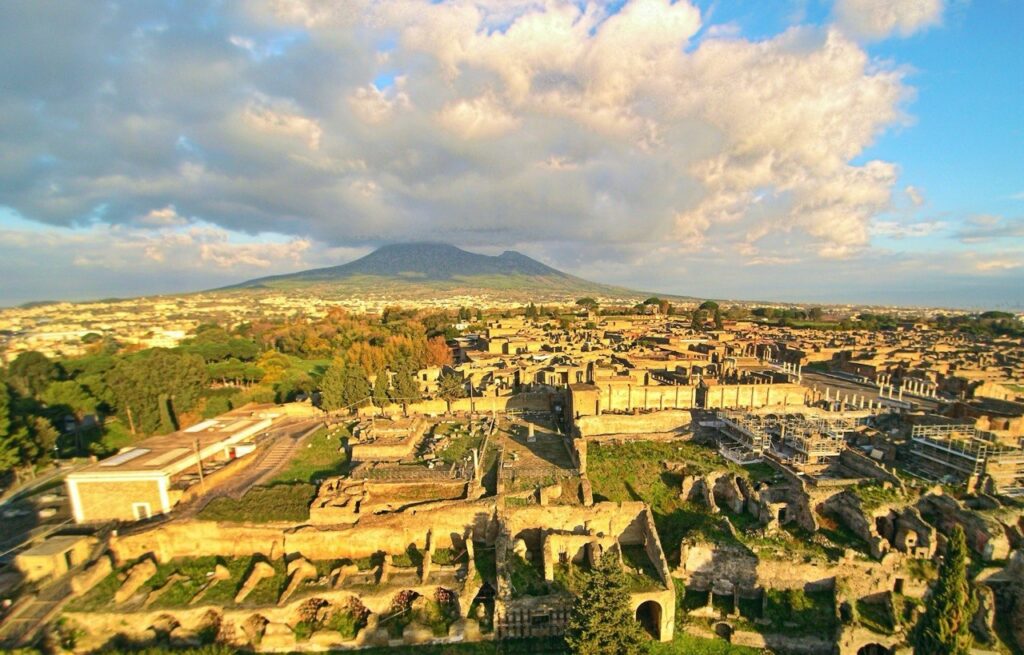
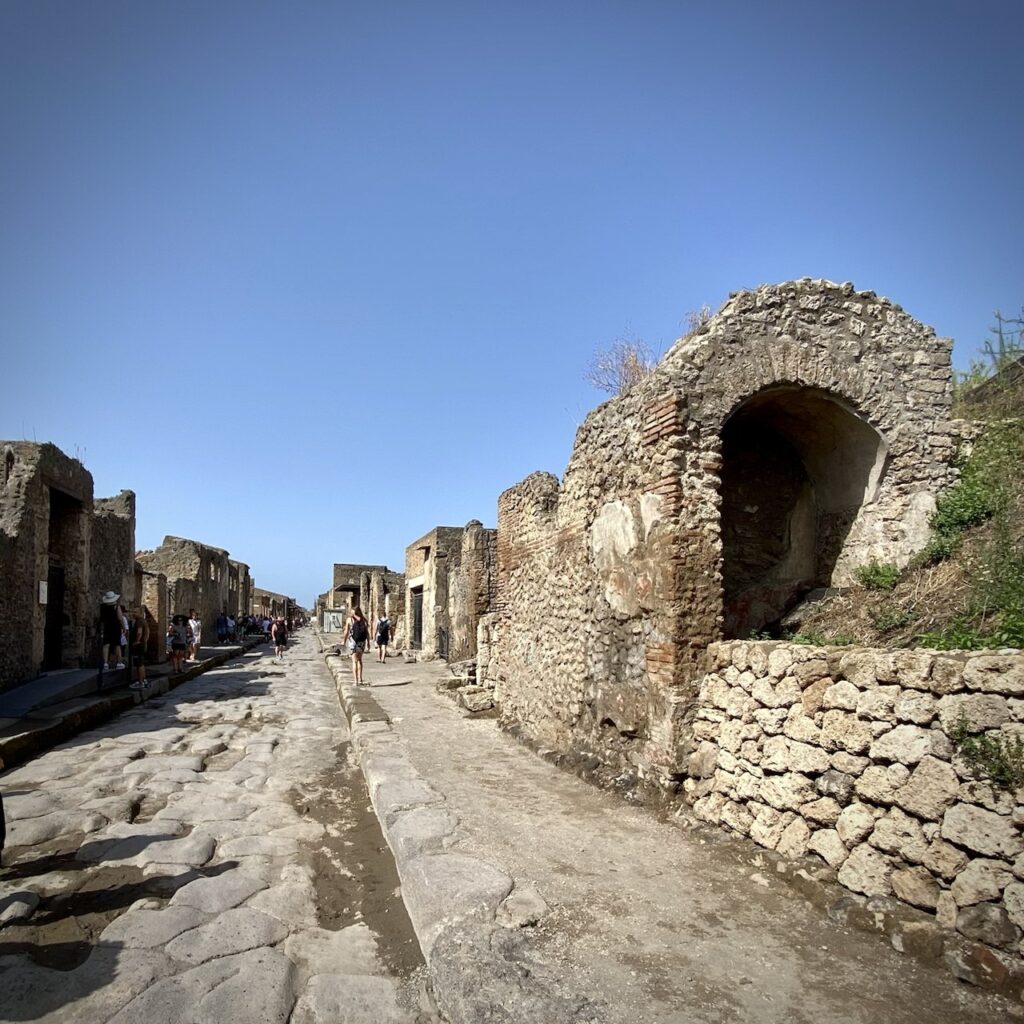
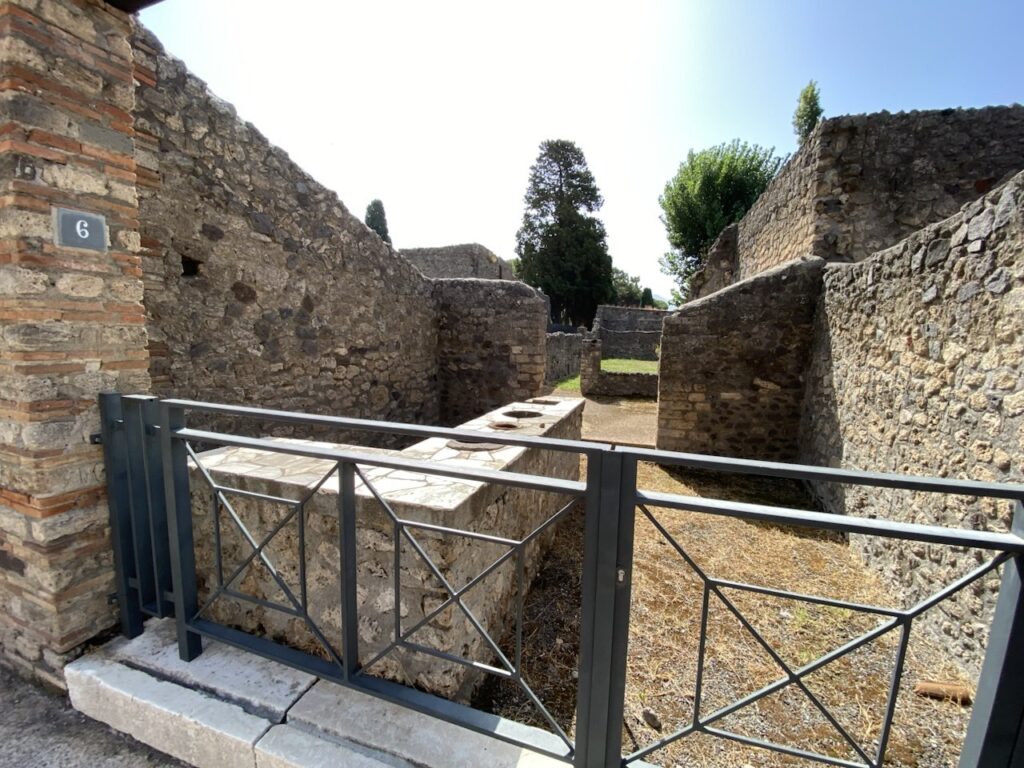
I rediscovered almost by chance — having returned to visit after many years — that Pompeii in the Roman era is a striking example of a hybrid urban space that defies easy classification today. Pompeii was not the traditional Roman city we might imagine. It was, more than anything, an enormous open-air commercial hub. The city was composed largely of residential units with ground-floor shops; its streets were designed to accommodate only specially built carts with a narrow gauge, effectively controlling access and the entire logistics of goods. With a resident population of around 20,000, Pompeii would swell during the day to four or five times that number. It is a form of urban space that escapes the categories we are used to: if it existed today, it might be called a hybrid city — one where residential, commercial, productive, exchange, political, and governmental spaces merge and interpenetrate.
The concept of the hybrid has not always been viewed positively. The urge to classify everything — to crystallize types through a taxonomic lens — was characteristic of modernity. Anything that resisted easy classification tended to be viewed with suspicion, even disdain. Embracing hybridization as something positive and useful is, above all, a postmodern attitude. Today, the hybrid — hybridization in urbanism, architecture, and design — is beginning to be studied more carefully and practiced as a deliberate design strategy.
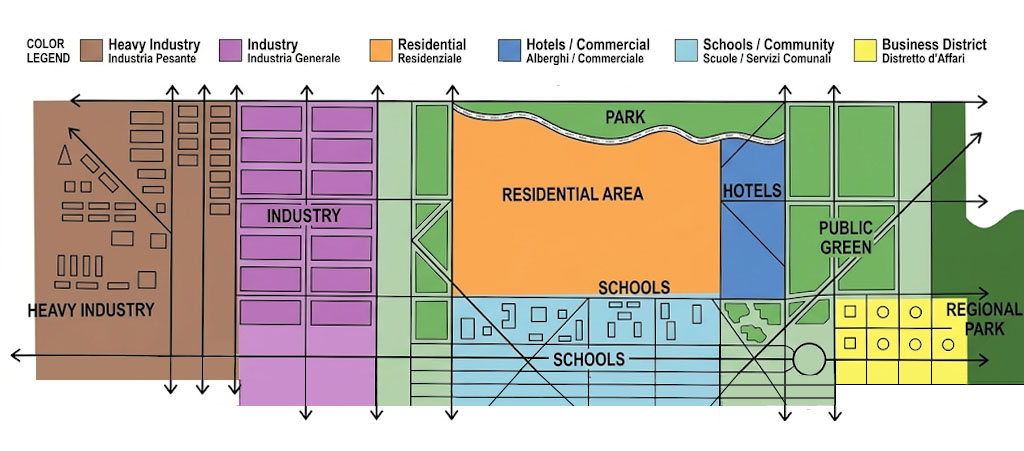
The many realities of postmodern society — what Zygmunt Bauman theorized as liquid modernity — shape various aspects of how we live, and influence, even if in an asynchronous and less dynamic way, architecture, urbanism, and real estate. What the Athens Charter held up in the mid-twentieth century as a necessity, as an achievement of modernity — functional zoning, combined with typological standardization in architecture and design — is today something we have moved beyond.
New, different, hybrid realities are taking shape, even if powerful forces resist these developments. Consider what still governs our built environment: outdated master plans rooted in a modernist worldview, or slightly more recent instruments that remain too rigid to allow for genuinely innovative hybrid solutions. Laws, by nature, tend to keep situations controllable and fixed — anything but hybrid or innovative. Yet the pace of change has accelerated, and the landscape has become increasingly borderless.
Today I want to talk about a concept that, historically, has at times carried a negative connotation — yet is in reality one of the key drivers of progress and development: hybridization, and in particular hybridization in space, architecture, and the city.
Take the venue where we find ourselves today. CityLife is a fantastic place with strong hybrid characteristics, one that resists easy classification: it is simultaneously an enclosed shopping centre, an open-air public space, a business hub, an urban park, a catalyst for a wide range of functions. The one less innovative element is the residential component — beautiful, high-quality buildings, but typologically and functionally still quite conventional.
This is, in fact, a practical example that mirrors many parallel situations: hybridization in architecture, urbanism, and territorial planning has always existed. You only need to read a text like Fernand Braudel’s The Mediterranean to realize how little has ever been fixed or crystallized throughout history — from societies, customs, and ancestral traditions spread across the entire Mediterranean world, down to urban spaces and building typologies.
I rediscovered almost by chance — having returned to visit after many years — that Pompeii in the Roman era is a striking example of a hybrid urban space that defies easy classification today. Pompeii was not the traditional Roman city we might imagine. It was, more than anything, an enormous open-air commercial hub. The city was composed largely of residential units with ground-floor shops; its streets were designed to accommodate only specially built carts with a narrow gauge, effectively controlling access and the entire logistics of goods. With a resident population of around 20,000, Pompeii would swell during the day to four or five times that number. It is a form of urban space that escapes the categories we are used to: if it existed today, it might be called a hybrid city — one where residential, commercial, productive, exchange, political, and governmental spaces merge and interpenetrate.
The concept of the hybrid has not always been viewed positively. The urge to classify everything — to crystallize types through a taxonomic lens — was characteristic of modernity. Anything that resisted easy classification tended to be viewed with suspicion, even disdain. Embracing hybridization as something positive and useful is, above all, a postmodern attitude. Today, the hybrid — hybridization in urbanism, architecture, and design — is beginning to be studied more carefully and practiced as a deliberate design strategy.
The many realities of postmodern society — what Zygmunt Bauman theorized as liquid modernity — shape various aspects of how we live, and influence, even if in an asynchronous and less dynamic way, architecture, urbanism, and real estate. What the Athens Charter held up in the mid-twentieth century as a necessity, as an achievement of modernity — functional zoning, combined with typological standardization in architecture and design — is today something we have moved beyond.
New, different, hybrid realities are taking shape, even if powerful forces resist these developments. Consider what still governs our built environment: outdated master plans rooted in a modernist worldview, or slightly more recent instruments that remain too rigid to allow for genuinely innovative hybrid solutions. Laws, by nature, tend to keep situations controllable and fixed — anything but hybrid or innovative. Yet the pace of change has accelerated, and the landscape has become increasingly borderless.
Designers, investors, and transnational operators bringing diverse international backgrounds and cross-sector experience have made possible new and compelling realities — hybrid spaces that simply did not exist in our landscape before.
Most of these transformations happen through hybridization. The more varied the actors involved — those with international experience or backgrounds that cut across disciplines — the more relevant and forward-looking the results. To achieve innovative and interesting outcomes, we need to embrace a more hybrid approach.
Most of these transformations happen through hybridization. The more varied the actors involved — those with international experience or backgrounds that cut across disciplines — the more relevant and forward-looking the results. To achieve innovative and interesting outcomes, we need to embrace a more hybrid approach.